Hurricane summers are brutal on cooling equipment. When it's 105° in July and your AC is limping, the last thing you need is a sales crew in your living room working you toward the most expensive system on the truck.
I'm Bret. I own Dixie Comfort HVAC, and I'm the person who answers the phone, quotes the job, and does the work. I've spent 30+ years in heating and air, and I serve Hurricane, La Verkin, and Toquerville from just up the road in St. George, usually 20 minutes out.
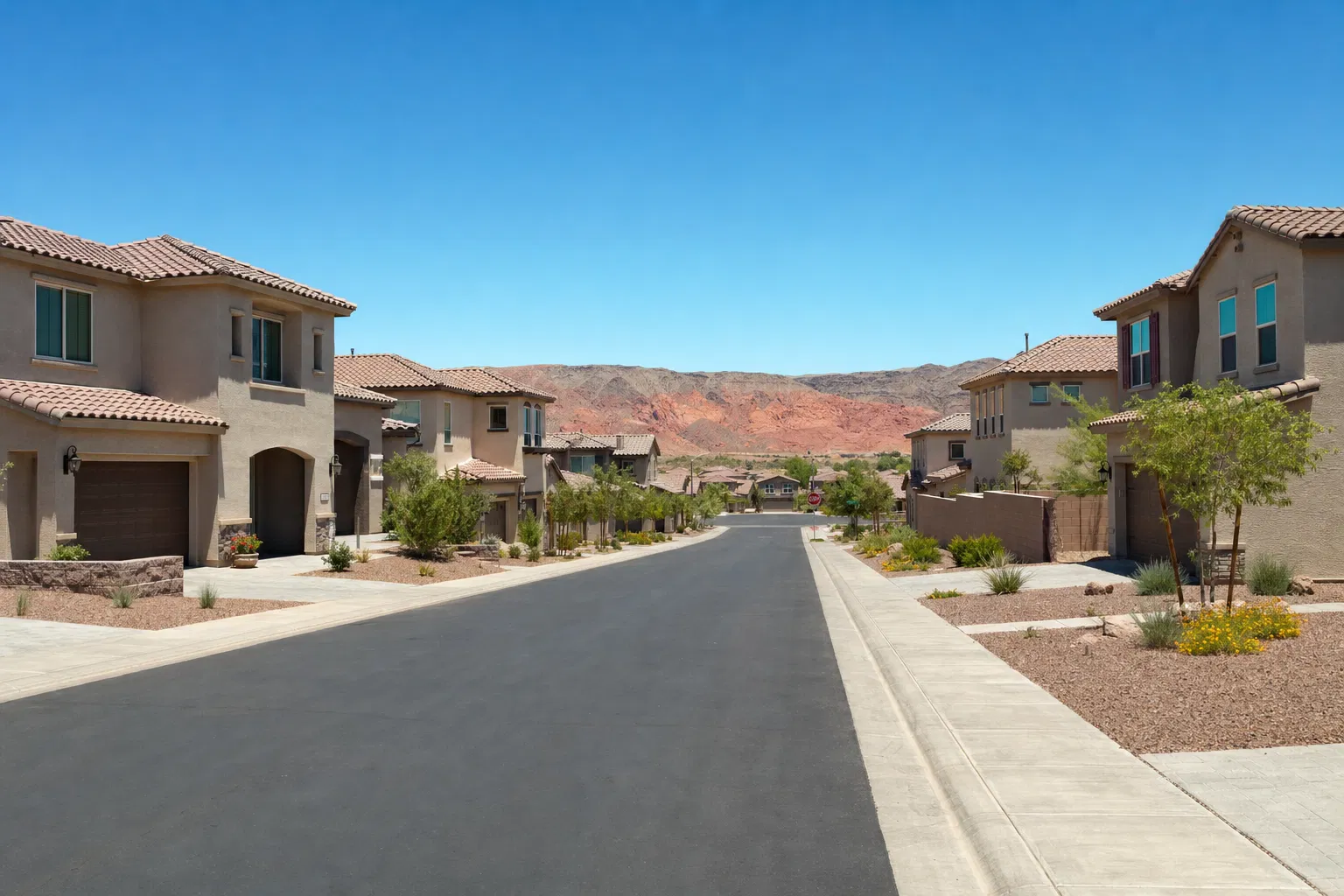
Hurricane has been one of the fastest-growing cities in Utah for the better part of a decade, with new subdivisions going up in every direction off SR-9. That growth brought a lot of homes with builder-grade HVAC that was chosen on price, and a lot of garages and workshops that are unusable eight months of the year without their own cooling. That's most of what I do out here.
What I Install in Hurricane Homes
Mini-Split Installation
New construction in Hurricane often means larger garages and workshop spaces that the builder left untempered. A single-zone Daikin mini-split can make those spaces usable year-round. I've installed mini-splits in Hurricane workshops, casitas, and bonus rooms that the main system was never designed to reach.
AC Replacement
Hurricane sits at around 3,200 feet, a little higher than St. George, but summers are still brutal, with highs pushing 105°F from June through August. Builder-grade AC equipment in newer Hurricane homes is often sized to minimum code and struggles by year five or six. When the repair quotes start stacking up, I'll tell you honestly whether replacement makes financial sense.
Furnace Replacement
Hurricane winters are cooler than St. George because of the elevation difference. January lows can drop into the mid-20s, and the wind coming off the plateau can cut right through an older home. I replace furnaces in Hurricane with properly sized equipment, not whatever the builder spec'd, but what the home actually needs.
Why Hurricane Homeowners Call Me Instead of the Big Companies
Hurricane is growing fast, and the big outfits treat it like route-filler, a different tech every visit, quotas to hit, "free inspections" that always find something expensive. With me you get one person, one clear number, and work that's done right because my name is on it. Repair appointments are available when the schedule allows; replacements and installs are the core of what I do.
A note on Sand Hollow-area and newer builds: a lot of newer Hurricane homes were built with the minimum-bid HVAC package. If your 8-year-old system already struggles, it probably wasn't sized or installed right the first time. I'll tell you honestly whether it needs replacing or just fixing, and if a repair gets you two more summers, that's what I'll recommend.
What I See in Hurricane Homes
Hurricane's growth has come in waves. The older parts of town near the center, around State Street and 100 East, have housing stock from the 1970s through 1990s with original ductwork and aging equipment. These homes often have systems that have been patched together over the years and are due for a full replacement.
The newer subdivisions on the east and north sides of Hurricane, areas off Dixie Drive, along the Virgin River corridor, and near Pah Tempe, are newer homes with builder-grade equipment. Builder-grade HVAC is sized to pass inspection, not to perform at peak efficiency in Southern Utah heat. I see a lot of five-year-old systems in these neighborhoods that are already struggling.
Hurricane has more workshop culture than almost any other city in Washington County. The large lots on the older parts of town mean a lot of detached garages and outbuildings. Those structures need their own HVAC solution, and a mini-split is almost always the right answer for a detached space that is not connected to the main duct system.
The SR-9 corridor from Hurricane toward Zion brings a lot of short-term rental activity. Vacation rentals in Hurricane need reliable, efficient HVAC because a system failure during peak season means unhappy guests and lost revenue. I've replaced equipment in several short-term rental properties in the Hurricane area.
Hurricane HVAC Questions
Also serving: St. George · Washington · Ivins · Santa Clara · LaVerkin · Cedar City
Talk to Bret
Straight answers about your AC or furnace, from the guy who'd do the work.