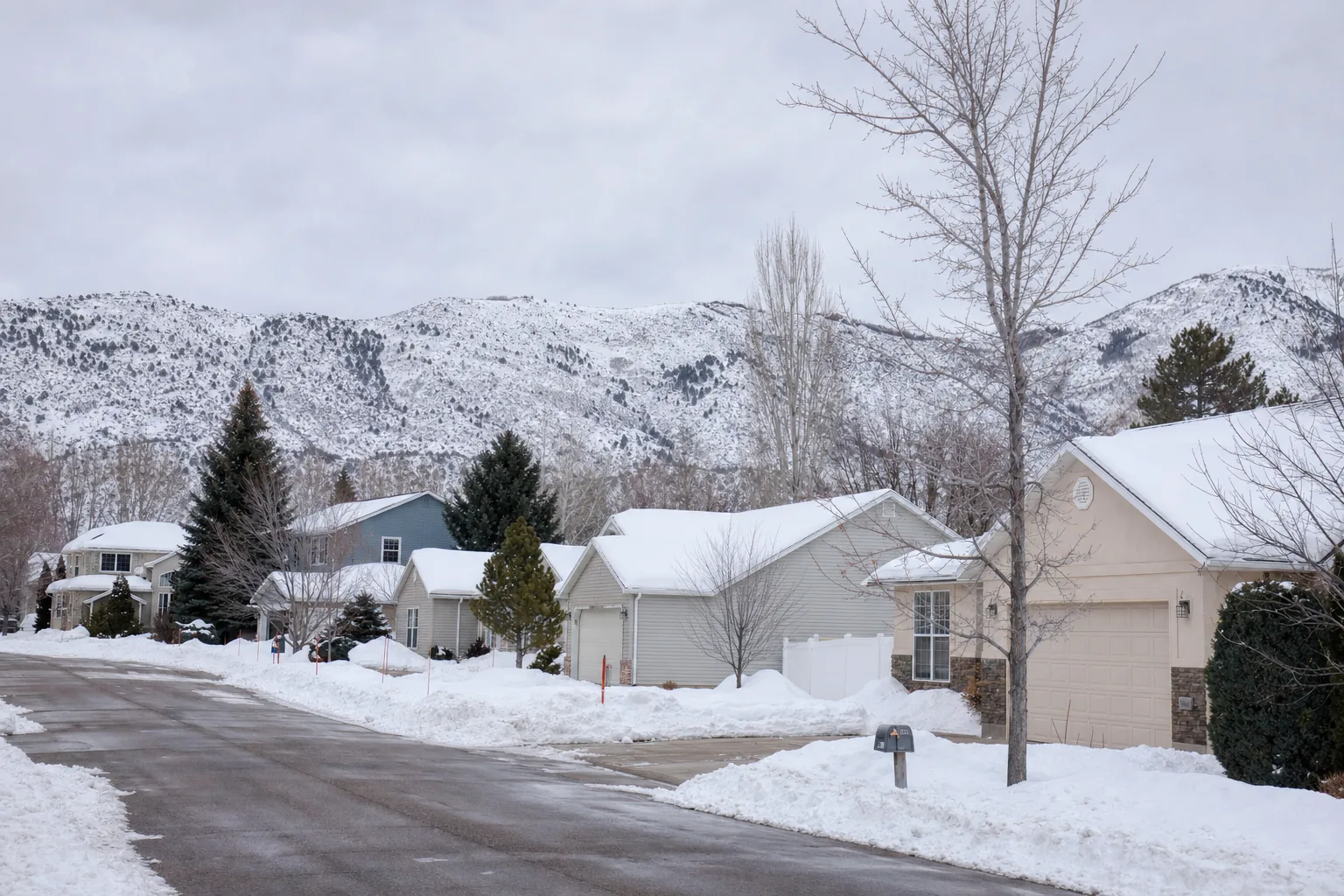
Cedar City sits at 5,800 feet in Iron County, about 50 miles north of St. George on I-15. At that elevation, winters are real. Cedar City averages around 40 inches of snow per year and sees temperatures that regularly drop into the single digits in January and February. That is a different climate profile than anywhere else I serve, and it changes the HVAC calculus significantly.
Cedar City isn't St. George. Up here, a dying furnace isn't an inconvenience, it's an emergency waiting for the coldest week of the year. I'm Bret, owner of Dixie Comfort HVAC, 30+ years in heating and air, and I serve Cedar City and Iron County as part of my regular coverage area. I'm based in St. George, about 50 minutes down I-15, which means Cedar City work gets scheduled deliberately, quotes and installs on planned days, not squeezed between other jobs. What you get in exchange is a 30-year tradesman doing the work personally, at a price quoted in full before I load the truck.
A word to rental owners: Cedar City has a lot of student housing and single-family rentals. A failed furnace in a tenant-occupied property in January is a bad day for everyone. I work with owners on planned replacements, scheduled shoulder-season work at a known price, instead of emergency pricing at 8 p.m. on the coldest night of the year.
What I Install in Cedar City Homes
Furnace Replacement
A Cedar City home needs a furnace that can handle sustained cold, not just a mild Southern Utah winter night. I size furnaces for Iron County's actual climate, correctly sized for elevation and real heating loads, quoted completely before work starts. I install Goodman and AirEase furnaces sized correctly for Cedar City homes.
Mini-Split Installation
Cedar City has a growing population of homeowners converting garages and outbuildings into functional spaces. Mini-splits work well in Cedar City because modern heat pump mini-splits can heat and cool efficiently even in temperatures well below freezing, something that makes them a practical year-round solution at 5,800 feet.
AC Replacement
Cedar City summers are warm, with July highs regularly reaching the mid-90s. Central AC is important even at elevation. I replace AC systems in Cedar City homes with properly sized equipment built for the climate swing, and mini-splits are a great fit for homes that never had central air, basement apartments, and student rentals.
What I See in Cedar City Homes
Cedar City has Southern Utah University, which means a mix of housing stock, older rental properties near campus, newer construction on the north and east sides of the city, and established neighborhoods in the downtown and center areas. The older housing stock often has original furnaces that are 20-plus years old and are a reliability risk heading into winter.
The elevation matters for equipment selection. A mini-split or AC system that works efficiently at 2,800 feet in St. George may have different performance characteristics at 5,800 feet. I account for this when recommending equipment. Not every contractor familiar with Southern Utah is thinking about Cedar City's elevation when they spec a system.
Cedar City is a regional hub for Iron County and serves a surrounding rural area. Some homeowners drive in from Parowan, Enoch, and other nearby communities for goods and services. I serve these surrounding communities as well, if you are within a reasonable drive of Cedar City, call and ask.
The winters in Cedar City make furnace reliability non-negotiable in a way that it is not in St. George. A furnace failure in December in Cedar City is an urgent, uncomfortable emergency. My advice: don't wait until a furnace shows obvious failure signs before having it assessed, if it is more than 15 years old, an honest look at its condition is worth a phone call.
Cedar City HVAC Questions
Also serving: St. George · Washington · Hurricane · Ivins · Santa Clara · LaVerkin
Talk to Bret
No dispatch maze. No sales team. Just a straight conversation about your HVAC situation in Cedar City.